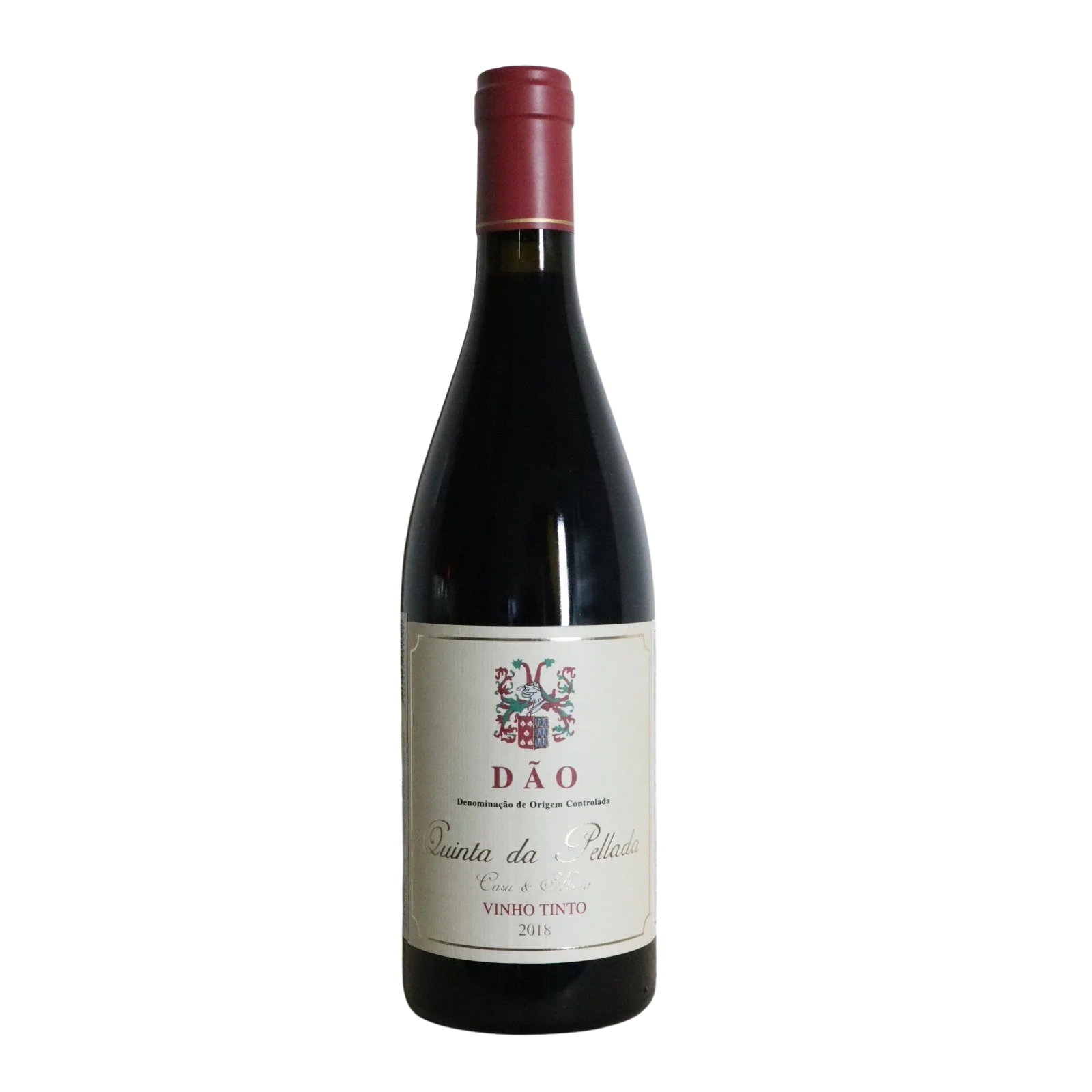
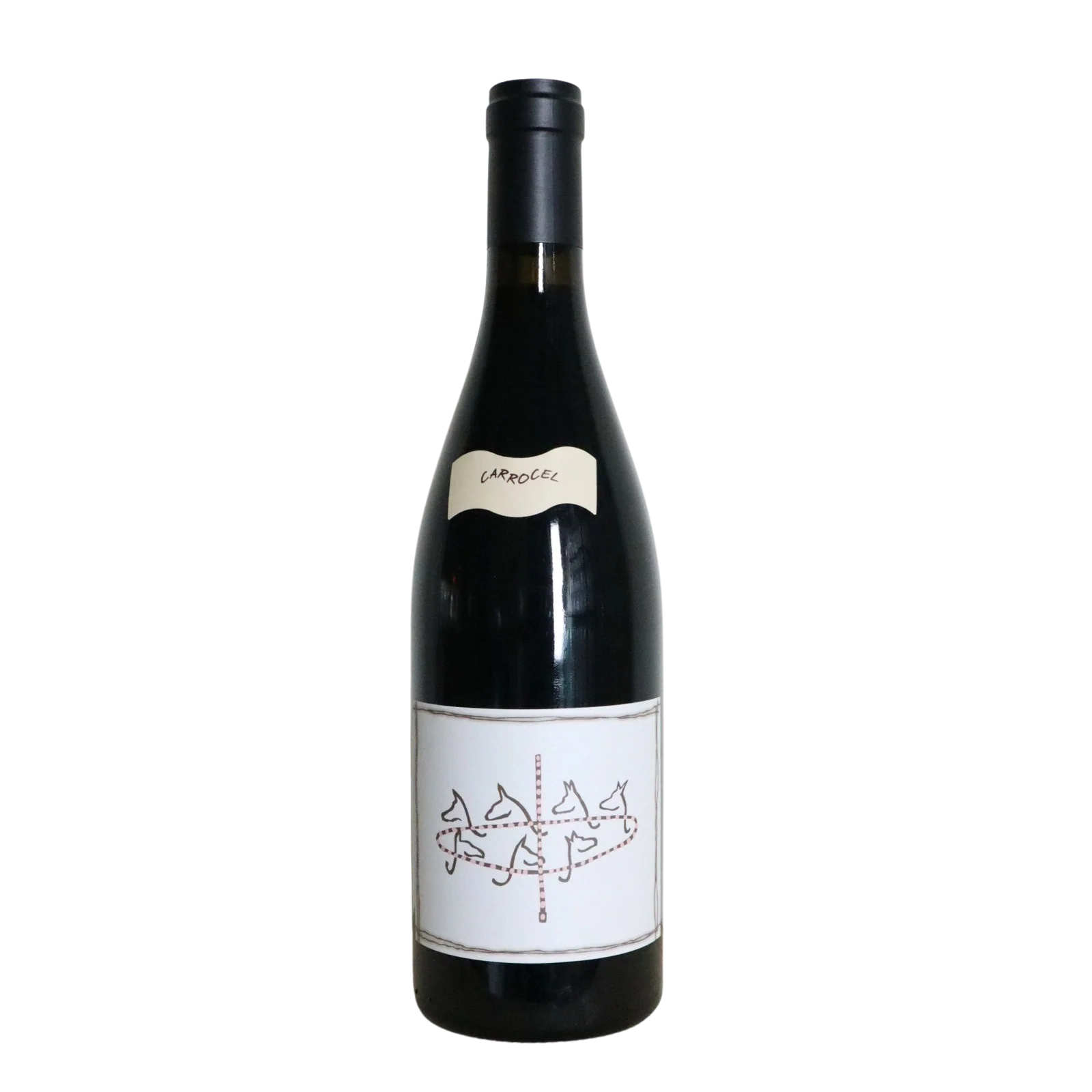
2019 Quinta da Pellada "Carrocel" Touriga Nacional, Dão, Portugal
ABOUT THIS WINE
Carrocel skips the field blend approach, instead showing off how Pellada’s granite-and-quartz terroir and ideal microclimate engage one of Portugal’s most prominent and widely-planted grapes, Touriga Naçional—but this bottling is made from at least 5 ancient clones of Touriga Nacional that are grown in one single plot at Pellada. Carrocel is produced only in the best years. 100% Touriga Naçional. Sustainably grown, planted in 1950 in granite soils with lines of sand, clay, and quartz, at 500m (1,640 ft) elevation. This is a 0.5-hectare, single-parcel wine in Quinta da Pellada. The grapes were carefully selected by hand. They were fermented in stainless steel tanks with 12 days. The aging takes place in used, 400L French oak barrels for 24 months. This is a vegan wine.
ABOUT THIS PRODUCER
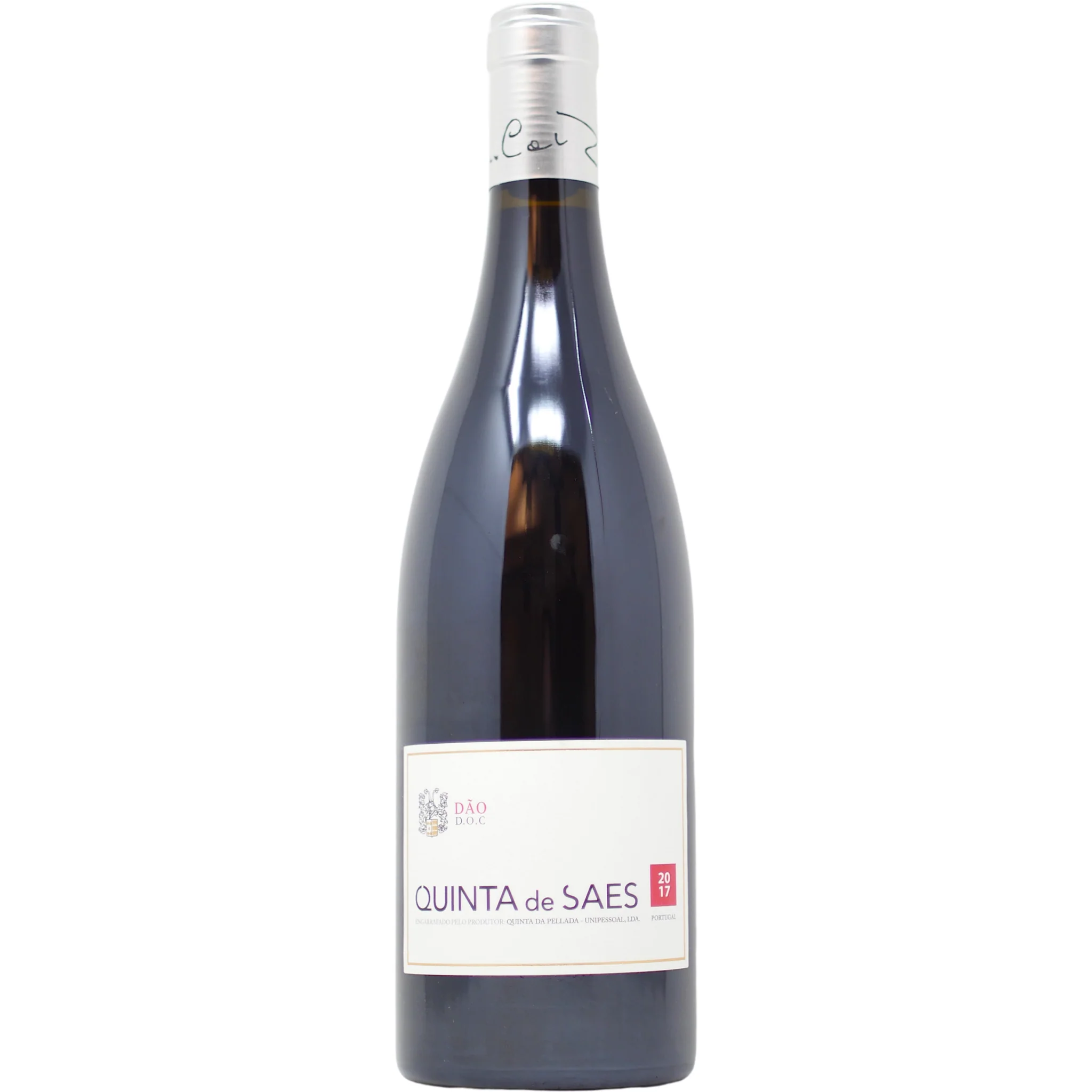
Dão is quickly becoming the most sought-after region for Portuguese winemakers to venture into; according to many, it’s one of the world’s most perfect microclimates: mountains protect it from continental heat to the east and Douro’s heat to north, and cool Atlantic breezes come inland to keep the overall temperatures more regulated, making for wines with bright acidity, ethereal aromatics, and compelling complexity. The DO’s granitic soils allow indigenous grapes to shine through in the wines, and provide firm, crunchy tannin against the bright fruit. Alvaro Castro has noted that “if God were to design a wine-growing region, what he would come up with would look a lot like the Dão.” There is no modern Dão without one of the region’s longtime legends, Alvaro Castro, whose estate encompasses two small properties (or “quintas”) known as Pellada and Saes. Alvaro makes wine here with his daughter Maria, carrying on a tradition of winemaking on this property that dates to the 16th century! Together, they have resisted the internationalization push of the ‘80s and ‘90s, instead doubling down on their slow-wine approach, using local varieties grown and crafted in the Dāo “field blend” style.
Original: $157.99
-65%$157.99
$55.30Product Information
Product Information
Shipping & Returns
Shipping & Returns
Description
ABOUT THIS WINE
Carrocel skips the field blend approach, instead showing off how Pellada’s granite-and-quartz terroir and ideal microclimate engage one of Portugal’s most prominent and widely-planted grapes, Touriga Naçional—but this bottling is made from at least 5 ancient clones of Touriga Nacional that are grown in one single plot at Pellada. Carrocel is produced only in the best years. 100% Touriga Naçional. Sustainably grown, planted in 1950 in granite soils with lines of sand, clay, and quartz, at 500m (1,640 ft) elevation. This is a 0.5-hectare, single-parcel wine in Quinta da Pellada. The grapes were carefully selected by hand. They were fermented in stainless steel tanks with 12 days. The aging takes place in used, 400L French oak barrels for 24 months. This is a vegan wine.
ABOUT THIS PRODUCER
Dão is quickly becoming the most sought-after region for Portuguese winemakers to venture into; according to many, it’s one of the world’s most perfect microclimates: mountains protect it from continental heat to the east and Douro’s heat to north, and cool Atlantic breezes come inland to keep the overall temperatures more regulated, making for wines with bright acidity, ethereal aromatics, and compelling complexity. The DO’s granitic soils allow indigenous grapes to shine through in the wines, and provide firm, crunchy tannin against the bright fruit. Alvaro Castro has noted that “if God were to design a wine-growing region, what he would come up with would look a lot like the Dão.” There is no modern Dão without one of the region’s longtime legends, Alvaro Castro, whose estate encompasses two small properties (or “quintas”) known as Pellada and Saes. Alvaro makes wine here with his daughter Maria, carrying on a tradition of winemaking on this property that dates to the 16th century! Together, they have resisted the internationalization push of the ‘80s and ‘90s, instead doubling down on their slow-wine approach, using local varieties grown and crafted in the Dāo “field blend” style.